.webp)
Changing Perceptions, New Expectations, and the Rise of Modern Male Aesthetics
For many years, aesthetic surgery was largely perceived as a field dominated by female patients. However, this perception has shifted dramatically. As we enter the 2025–2026 period, male aesthetic surgery is no longer a niche trend—it has become a strong, stable, and continuously growing sector within aesthetic medicine.
Modern men increasingly view aesthetic treatments not as something to hide, but as a conscious investment in personal image, confidence, and quality of life. Professional visibility, social media presence, healthy aging, and self-perception are now major drivers behind the growing demand for male-focused aesthetic solutions.
This article explores why male aesthetics is expanding so rapidly, which procedures are leading the trend in 2026, and how male patients’ expectations from aesthetic surgery have fundamentally evolved.
Why Has the Perception of Male Aesthetics Changed?
The most significant factor behind the growth of male aesthetics is a global shift in social and cultural perception. Being well-groomed, youthful, and confident is no longer associated with gender—it is associated with professionalism and self-respect.
Key contributors to this change include:
-
Competitive corporate and executive environments
-
Increased on-camera presence (Zoom, LinkedIn, digital meetings)
-
A desire to appear energetic, capable, and healthy
-
The normalization of self-care among men
For today’s male patients, aesthetic procedures are not about vanity or exaggeration. They are about control, refinement, and natural enhancement.
Core Drivers of Male Aesthetic Growth in 2026
1. The Growing Importance of Appearance in Professional Life
In 2026, first impressions are formed not only in person but also through digital platforms. A face that appears:
-
Tired
-
Aged
-
Harsh or unapproachable
can unintentionally affect leadership perception and professional credibility.
As a result, male patients increasingly seek treatments targeting:
-
The eye area
-
Forehead and brow lines
-
Jawline and lower face definition
These procedures help men look more alert, confident, and approachable—without altering their identity.
2. The Development of Male-Specific Aesthetic Approaches
One of the biggest mistakes of the past was applying female aesthetic techniques directly to male anatomy. This often resulted in unnatural outcomes and discouraged male patients.
By 2026, male aesthetics has evolved into a distinct discipline focused on:
-
Preserving masculine facial proportions
-
Maintaining strong structural lines
-
Avoiding overcorrection and softness
Modern male aesthetics aims to enhance character, not soften it.
3. The Demand for Minimal and Natural Results
Male patients consistently express one primary concern: “I don’t want it to look like I had something done.” Therefore, the most in-demand treatments are those that offer:
-
Subtle improvements
-
Natural facial movement
-
Minimal downtime
-
Low visibility during recovery
This preference has positioned minimally invasive procedures at the core of male aesthetic practice.
Most Popular Male Aesthetic Procedures in 2026
Male Rhinoplasty
In male rhinoplasty, the goal is not to reduce the nose excessively, but to achieve facial harmony while preserving strength and function.
Key principles include:
-
Maintaining nasal projection
-
Avoiding excessive narrowing
-
Protecting breathing function
A successful male rhinoplasty should appear unoperated and structurally sound.
Eyelid Surgery (Blepharoplasty)
The eye area is often the first region to show signs of aging in men. Upper eyelid sagging can create a tired, stressed, or older appearance. Eyelid surgery is one of the highest satisfaction procedures among male patients, offering noticeable rejuvenation with relatively short recovery.
Jawline and Chin Enhancement
Jawline definition has become a defining trend in male aesthetics for 2026. A strong lower face:
-
Enhances masculine perception
-
Creates a fitter appearance
-
Counteracts age-related sagging
Both surgical and non-surgical options can be tailored to individual needs.
Male-Specific Botox and Fillers
Botulinum toxin treatments for men focus on softening deep expression lines without eliminating natural movement. The goal is to reduce harshness—not expression. Common treatment areas include:
-
Forehead lines
-
Glabellar (frown) lines
-
Crow’s feet
Dosage and technique are critical to maintaining a masculine appearance.
Hair Restoration and Density Treatments
Hair loss remains one of the most sensitive aesthetic concerns for men. In 2026, emphasis is placed on:
-
Natural hairline design
-
Density without artificial appearance
-
Combined medical and surgical approaches
Subtle, well-planned hair restoration significantly enhances self-confidence.
Surgical vs. Non-Surgical Male Aesthetic Treatments
Most male patients initially prefer non-surgical treatments due to:
-
Short recovery time
-
Minimal disruption to work life
-
Lower visibility
However, for advanced aging or structural concerns, surgical solutions may offer more effective and lasting results. The most successful outcomes are achieved through gradual, personalized treatment planning.
Psychological Motivations Behind Male Aesthetic Treatments
Men often express their aesthetic motivations indirectly. However, clinical consultations frequently reveal underlying goals such as:
-
Appearing more energetic
-
Maintaining competitiveness in professional environments
-
Improving self-confidence
-
Managing age-related changes proactively
In this context, aesthetics serve as a tool for psychological well-being, not just physical change.
The Biggest Risk in Male Aesthetics: Overcorrection
The most common cause of dissatisfaction in male aesthetics is excessive intervention. Overuse of injectables or aggressive surgical techniques can result in:
-
Artificial appearance
-
Loss of masculine identity
-
Social discomfort
For this reason, male aesthetic success depends heavily on the surgeon’s experience and aesthetic judgment.
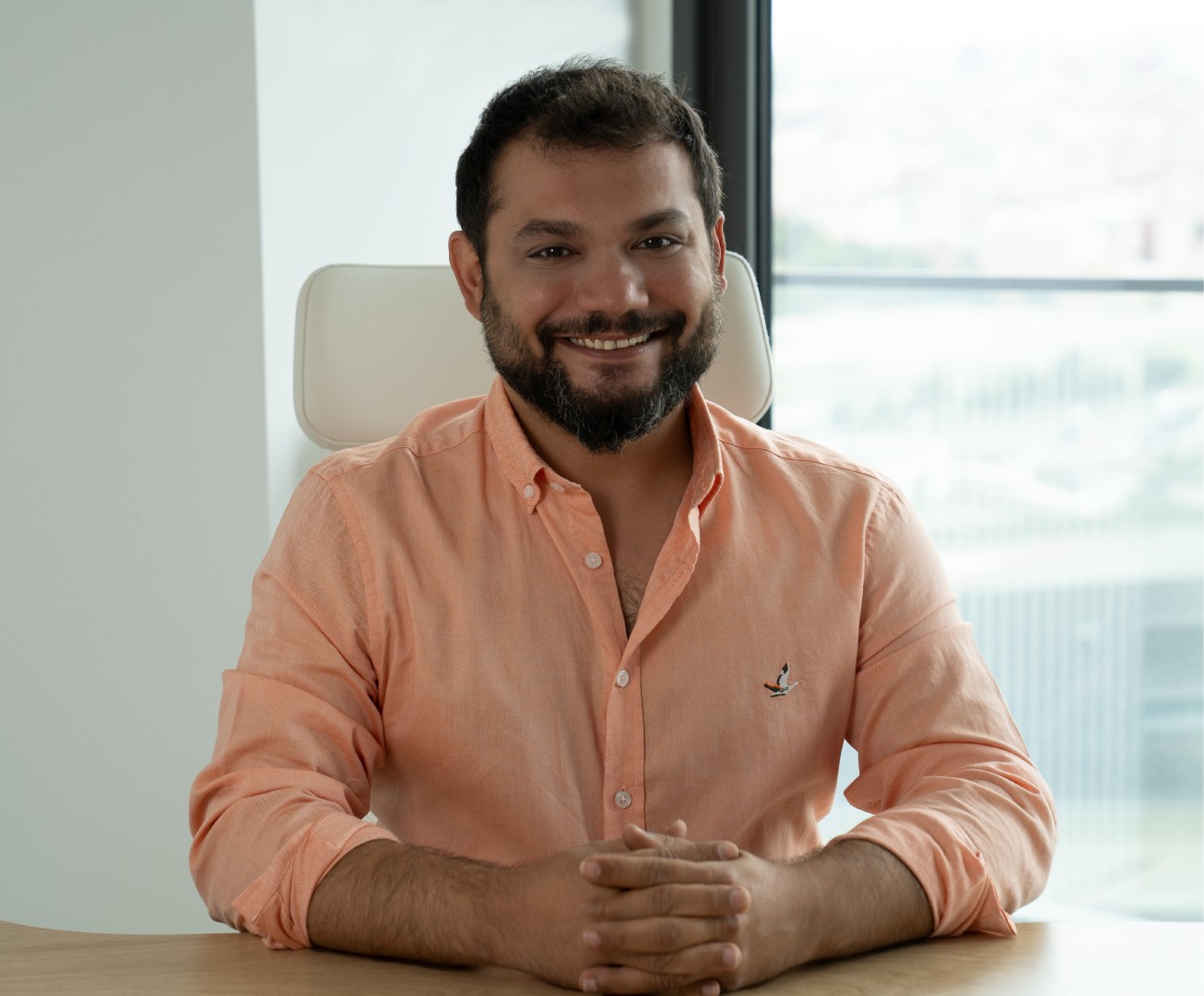
One specialist emphasizing this philosophy is Op. Dr. Gökhan Semerci, who highlights that the true goal of male aesthetics is not to look younger—but to look better and healthier.
Key Male Aesthetic Trends for 2026
-
Natural and subtle outcomes
-
Anatomy-specific treatment planning
-
Combination of surgical and non-surgical approaches
-
Long-term aesthetic strategies
-
The rise of “well-aging” rather than anti-aging
These trends confirm that male aesthetics is not a passing fashion, but a permanent evolution.
Male Aesthetics Is No Longer Silent—It Is Strategic
By 2026, male aesthetic surgery has become:
-
More informed
-
More discreet
-
More individualized
Men are no longer seeking transformation. They are seeking optimization—a stronger, healthier, and more confident version of themselves. With the right specialist, realistic expectations, and personalized planning, male aesthetics can deliver highly satisfying physical and psychological outcomes.