.webp)
Breast aesthetics, especially breast augmentation surgeries, rank among the most popular cosmetic procedures worldwide, helping many women boost their self-confidence and alleviate aesthetic concerns. These surgeries are chosen both for aesthetic reasons and to restore the volume and shape of the breasts after events like childbirth or weight loss. However, a significant question lingers in the minds of many women considering or undergoing breast augmentation: Does getting breast implants interfere with breastfeeding?
This blog post will examine the impact of breast implants on breastfeeding, potential risks, and essential considerations in detail. Additionally, we will look at real-life cases of global celebrities who have shared their experiences, shedding light on the implications of breast implants in real-world scenarios.
What is a Breast Implant, and How is it Placed?
A breast implant is a device filled with either silicone or saline (saltwater) solution used in breast augmentation surgery. Implants are placed to add volume, achieve a fuller appearance, and enhance symmetry. The method by which breast implants are placed can significantly affect the breastfeeding process. Implants can be inserted through one of three main techniques, depending on the surgeon’s preference and the patient's anatomy:
- Inframammary (Under the Breast): The implant is inserted through an incision under the breast crease. This technique is among the least likely to interfere with breastfeeding since it avoids the milk ducts and the nipple area.
- Periareolar (Around the Nipple): The implant is inserted via an incision around the nipple. Because this technique is closer to the milk ducts, it may potentially impact breastfeeding. However, the risk largely depends on the surgeon's skill and the implant size.
- Transaxillary (Through the Armpit): The implant is placed through an incision made in the armpit and positioned beneath the breast tissue. This technique keeps the implant away from the nipple and milk ducts, minimizing the potential impact on breastfeeding.
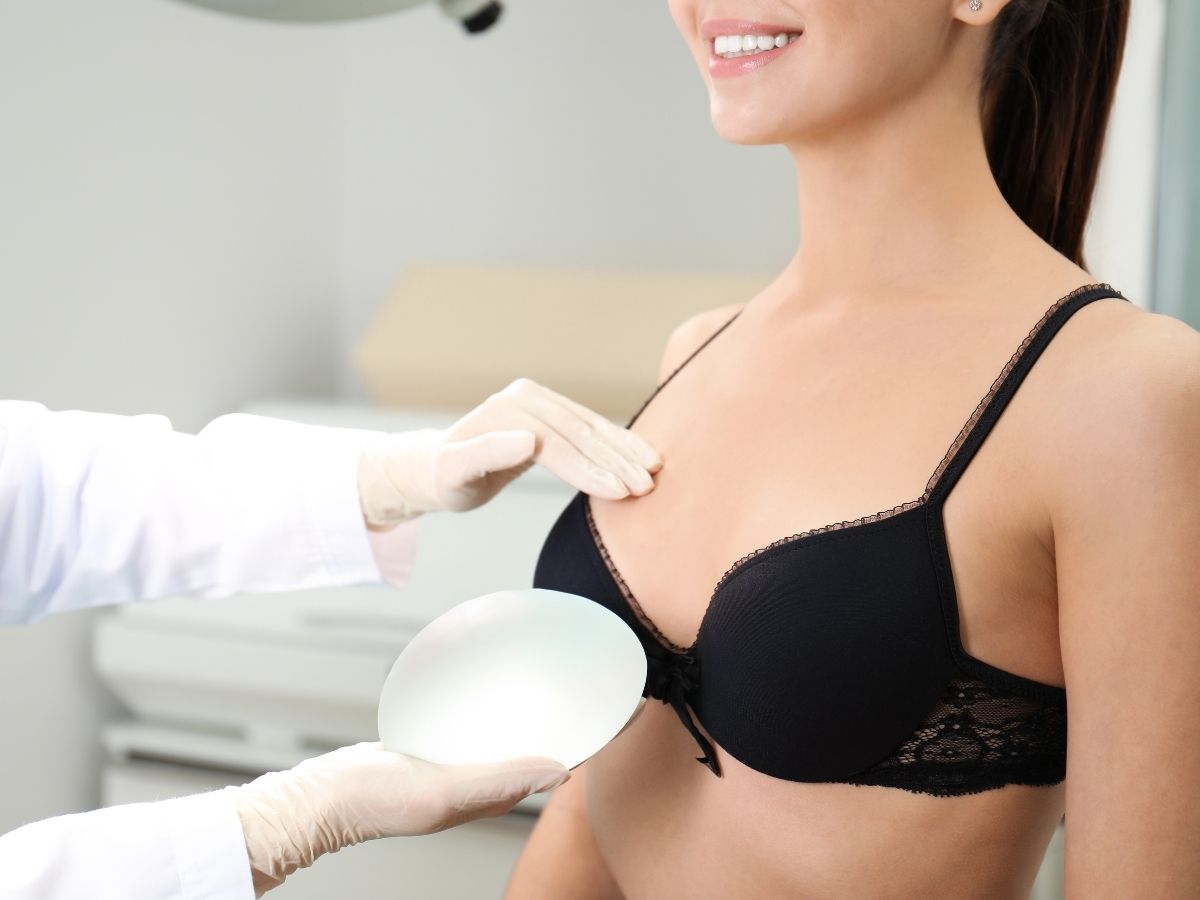
Breast Implants and Breastfeeding: Risks and Effects
With the right techniques, breast implant surgery generally has minimal effects on breastfeeding. However, in some cases, interventions around the milk ducts or the nipple can influence breastfeeding. Here are some possible risks and effects to consider:
- Damage to Milk Ducts: In surgeries performed via the periareolar technique, there is a chance that the milk ducts may be affected. If milk ducts are damaged, breastfeeding may be compromised, and milk production could decrease.
- Function of Mammary Glands: When implants are placed beneath the breast tissue or muscle, mammary glands are generally preserved. However, implant size and positioning may influence the function of these glands. It’s crucial for the surgeon to consider these factors during the planning stage.
- Sensory Changes: Some women experience temporary or permanent sensory changes in the nipple area following breast implant surgery. These changes could indirectly affect breastfeeding by impacting the milk ejection reflex.
- Capsular Contracture: This condition occurs as the body’s natural response to the implant, leading to hardening and discomfort in the breast tissue. While this might cause discomfort during breastfeeding, it doesn’t directly inhibit the ability to breastfeed.
Celebrity Experiences with Breast Implants and Breastfeeding
Several celebrities with breast implants have shared their breastfeeding experiences post-childbirth, fostering awareness about this topic. Here are a few examples:
- Kourtney Kardashian: Kourtney Kardashian of the famous Kardashian family underwent breast augmentation and later had three children. She reported no issues with breastfeeding, indicating that selecting the right surgeon and technique can play a crucial role in preserving breastfeeding capabilities.
- Victoria Beckham: The renowned fashion icon and former Spice Girl Victoria Beckham had breast augmentation surgery and subsequently became a mother of four. Although Beckham eventually had her implants removed, she stated that she had no breastfeeding issues.
- Salma Hayek: Though known for her naturally fuller breasts, actress Salma Hayek has been supportive of women with breast implants. She mentioned in an interview that women who have undergone breast augmentation should not worry about breastfeeding, as many successfully nurse their babies.
Tips for Successful Breastfeeding with Implants
Here are a few recommendations for mothers with implants to facilitate a smooth breastfeeding process:
- Choose the Right Surgeon: If you are considering breast augmentation and plan to breastfeed in the future, discuss this with your surgeon beforehand. An experienced surgeon will select the optimal technique to avoid damaging milk ducts and breast tissue.
- Postoperative Check-ups: Regular check-ups after surgery can help prevent complications during breastfeeding. If you experience pain, swelling, or sensitivity, consult your surgeon promptly.
- Seek Lactation Support: If you encounter any challenges while breastfeeding, consult a lactation specialist. These experts can provide tips for women with implants, making the breastfeeding experience more manageable.
- Nutrition to Support Milk Production: Maintaining a nutrient-rich diet is essential for milk production. High-protein foods and sufficient hydration contribute to healthy milk supply and breast health.
Myths and Realities about Breast Implants and Breastfeeding
Several misconceptions about breast implants and breastfeeding persist. Here are some myths and realities for a clearer perspective:
- Myth: “Women with breast implants cannot breastfeed.”
- Reality: Breast implant surgery, when performed with the appropriate techniques, typically does not prevent breastfeeding. Many women successfully breastfeed with implants.
- Myth: “Implants block milk ducts and reduce milk production.”
- Reality: Implants are usually placed beneath the breast tissue or muscle, which doesn’t affect the milk ducts. However, periareolar incisions carry a slight risk of damage to milk ducts.
- Myth: “Breast implants lower milk quality.”
- Reality: There is no scientific evidence suggesting that implants reduce milk quality. Breast milk quality is primarily determined by the mother’s overall health and diet.
Do Breast Implants Prevent Breastfeeding?
When breast implant surgery is conducted by a skilled surgeon using appropriate techniques, it generally doesn’t inhibit breastfeeding. However, techniques involving incisions near the milk ducts or nipples may pose some risk. It is important to discuss your breastfeeding plans with your surgeon before the procedure, allowing for a personalized and well-planned approach.
If you are considering breast augmentation and have concerns about breastfeeding, consult a professional surgeon to create a plan tailored to your needs. Remember, each woman’s body and goals are unique, so seeking expert advice is essential in making the best decision.